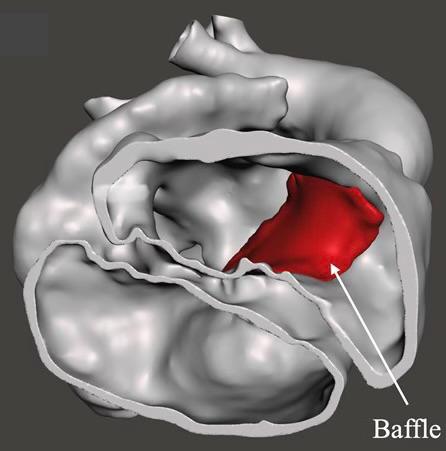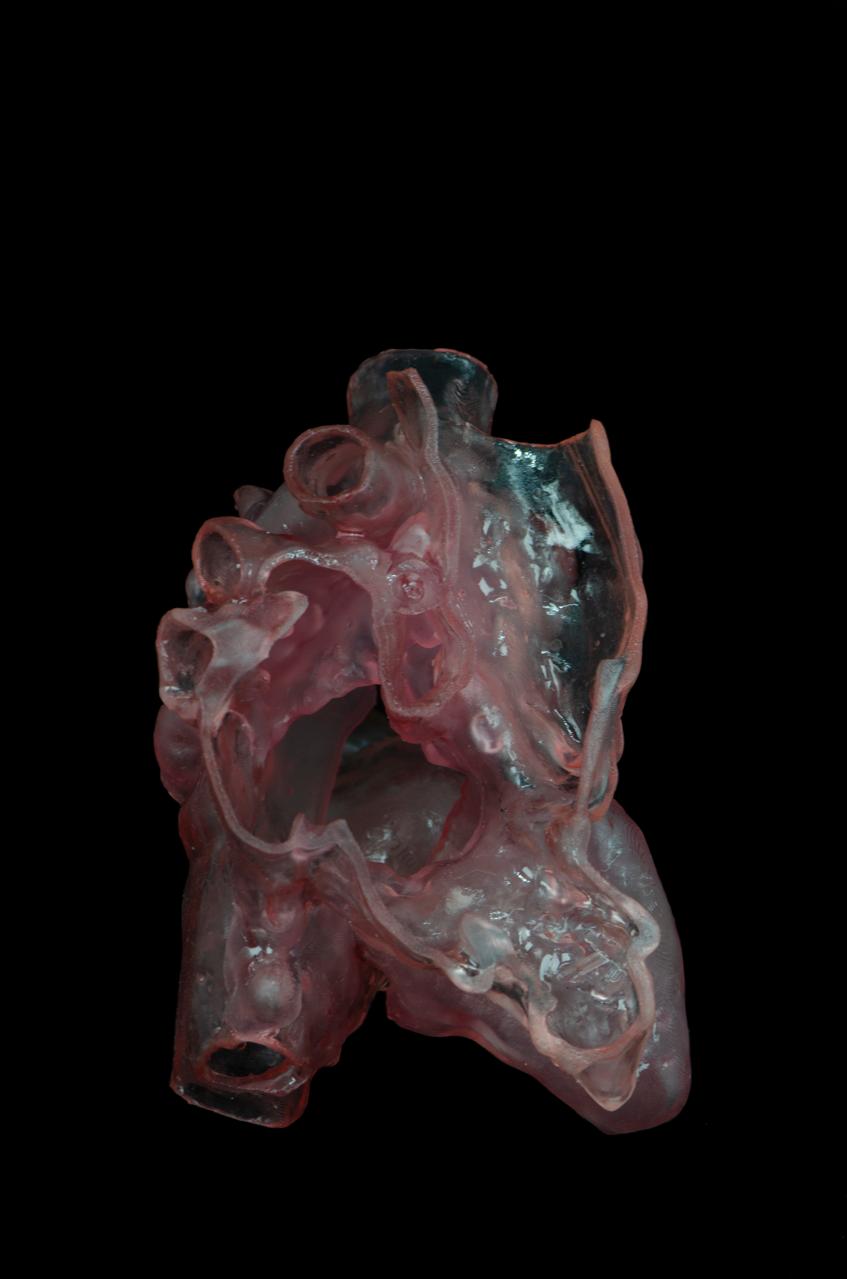
The Heart Center at King Abdulaziz University has achieved a medical milestone in the use of 3D printing technology to improve the precision of complex cardiac surgeries. The center confirmed that its medical team has successfully applied this advanced technology in treating more than 30 critical pediatric cases over the past five years.
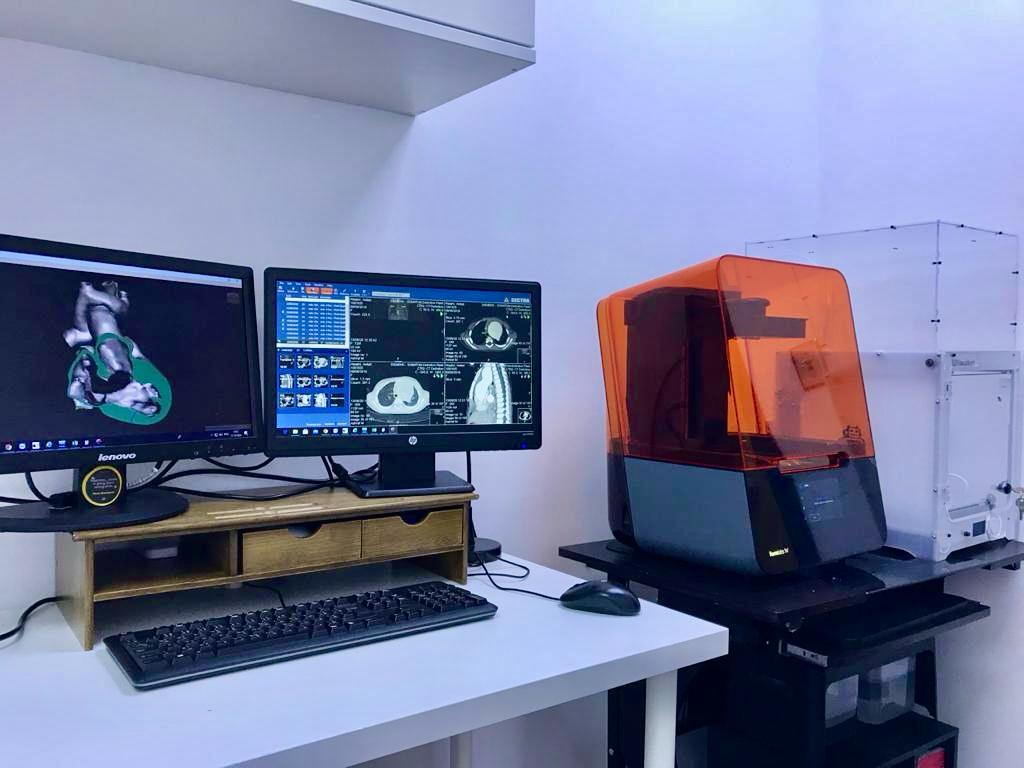
The technology follows a precise scientific process that begins with evaluating the patient’s condition using cardiac images obtained through ultrasound scans (echocardiography). In more complex cases, high-resolution computed tomography (CT) scans of the heart are used. These images are then processed using specialized software and transformed into tangible physical models that accurately reflect the true anatomy of the affected child’s heart.
Heart surgeries for children with congenital defects are among the most complex medical procedures, as they require a precise understanding of the heart’s anatomy before the appropriate surgical decision can be made.
The printed model allows surgeons to examine internal details and anatomical relationships between the different parts of the heart with exceptional accuracy, including valve anatomy, the pathways of the major arteries, and the precise location of cardiac defects. This is reflected in improved outcomes during surgery.
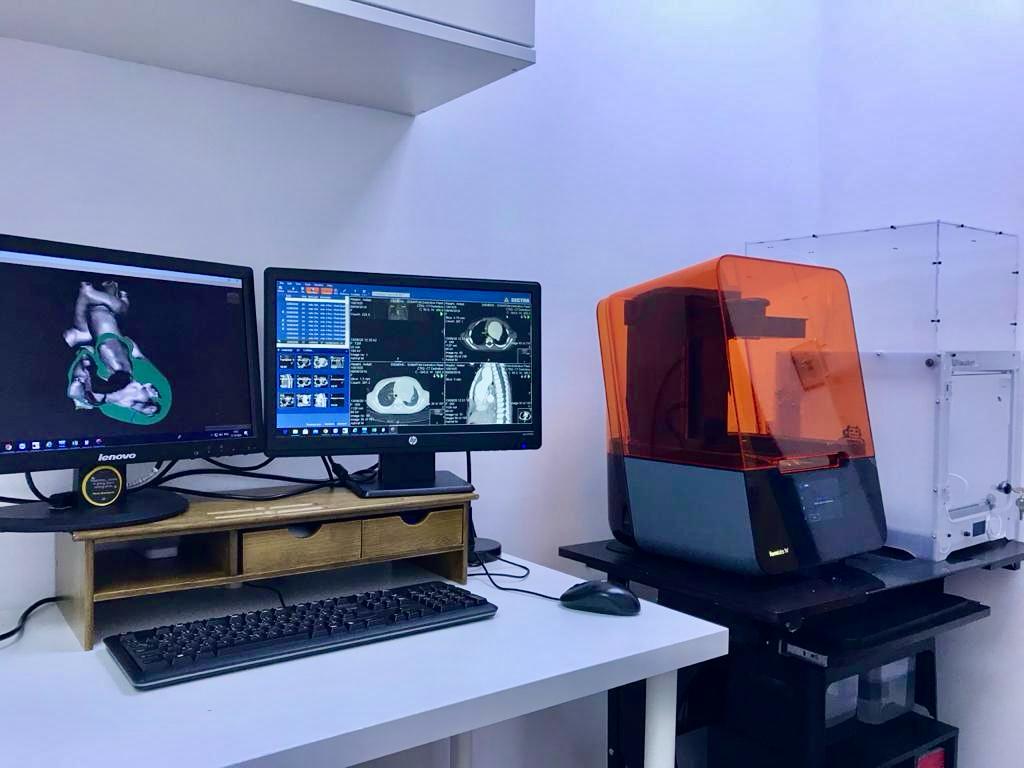
In the treatment of congenital heart disease, 3D printing enables physicians to gain a highly accurate understanding of the patient’s complex cardiac anatomy by creating a three-dimensional model identical to the real heart. This helps cardiologists and surgeons plan the procedure in advance and choose the best approach for repairing the defects, increasing the chances of achieving a complete repair rather than resorting to palliative procedures that do not provide a definitive cure. The technology also contributes to better surgical outcomes, fewer complications, and an improved quality of life for patients in the long term.
It is worth noting that eligible cases are selected after careful scientific discussion within the specialized medical team to ensure the best possible care. The success of the 30 cases performed since 2020 reflects King Abdulaziz University Hospital’s commitment to keeping pace with global medical advancements